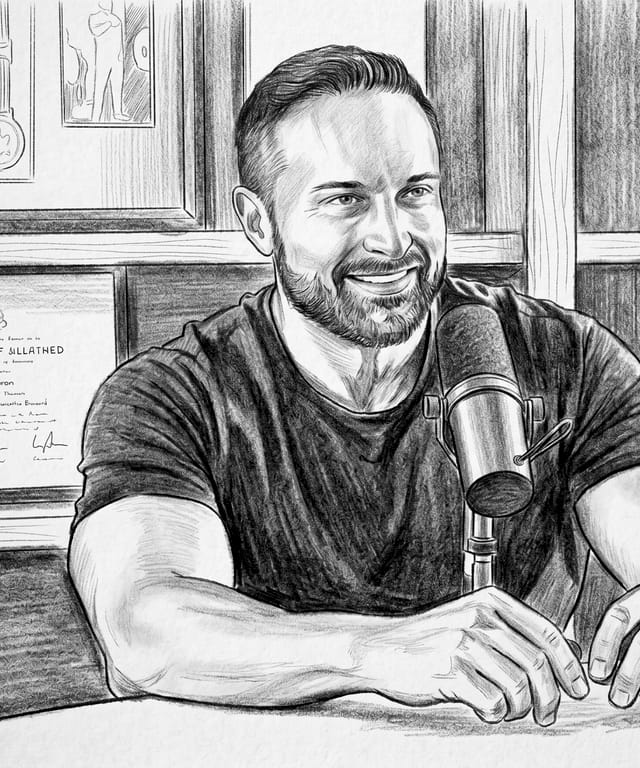
Reverse Dieting & Metabolic Adaptation
What actually happens to your metabolism when you diet, and how to come out the other side without rebounding. Layne Norton's evidence-based take, including why 'metabolic damage' is a myth he regrets coining.
Know what actually changes Expect expenditure to fall during a diet, largely via reduced spontaneous movement (NEAT); this is normal, not damage
Misreading normal adaptation as 'broken metabolism' leads to crash dieting that backfires.
Use a moderate deficit and high protein A modest deficit with high protein and resistance training preserves muscle and limits adaptation; avoid crash diets
How you diet determines how much you have to reverse afterwards.
Take planned breaks on longer cuts On a long diet, periods of 1 to 2 weeks at maintenance can help hormones, adherence and sanity before resuming
Breaks support adherence and let some adaptation partially normalise.
Add food back slowly after a diet Increase intake in small steps over weeks while monitoring weight, rather than jumping straight back to old habits
Gradual increases rebuild maintenance and reduce the odds of a sharp fat rebound.
Treat refeeds realistically A higher-carb day can help performance and mindset; do not expect it to meaningfully reset your metabolism
The evidence for refeeds is modest and mostly about adherence and training quality.
Remember energy balance always applies Track trends over weeks, adjust intake or activity as needed; the goal is a sustainable maintenance you can live at
Metabolism is not broken; sustainable habits beat any 'metabolism hack'.
Large weight loss is followed by adaptive drops in energy expenditure and strong drives to regain, which is why most lost weight returns.
View sources
The Reverse Diet Debate with Dr. Layne Norton (Jeff Nippard Podcast)
Do Diet Breaks Enhance Metabolism? (Layne Norton, BioLayne)
Metabolic Adaptation Is An Illusion (BioLayne)
Metabolic Adaptation and Reverse Dieting, Part 1: what adaptation really is (BioLayne)
Metabolic Adaptation and Reverse Dieting, Part 2: diet breaks, refeeds, reversing out (BioLayne)
The Metabolic Adaptation Manual: evidence on refeeds and diet breaks (Stronger by Science)
Not medical advice. This page is for education only and is not a substitute for professional medical care. Consult a qualified clinician before changing your health routine.
Independent curation. YourProtocol is an independent platform. This protocol is based on the publicly available work of Layne Norton and is not created, reviewed, endorsed by, or affiliated with Layne Norton or BioLayne / PhD Nutritional Sciences.
Is this for you
- Anyone finishing a fat-loss phase
- People stuck in chronic under-eating
- Those who rebound after every diet
- Lifters managing cut-and-maintain cycles
Cautions
- 'Metabolic damage' is a myth; metabolism is not broken, and energy balance still governs weight, so be skeptical of claims that reverse dieting alone melts fat
- Reverse dieting evidence is limited and largely from small studies and athletes; treat it as a sensible behavioural framework, not a guarantee
- If you find yourself fixated on numbers, fearful of eating more, or caught in restrict-rebound cycles, please talk to a doctor or a registered dietitian; disordered patterns are common here and deserve real support
- Educational only, not medical or nutrition advice
Some links earn us a commission. It never affects our picks or grades. See our affiliate disclosure.